
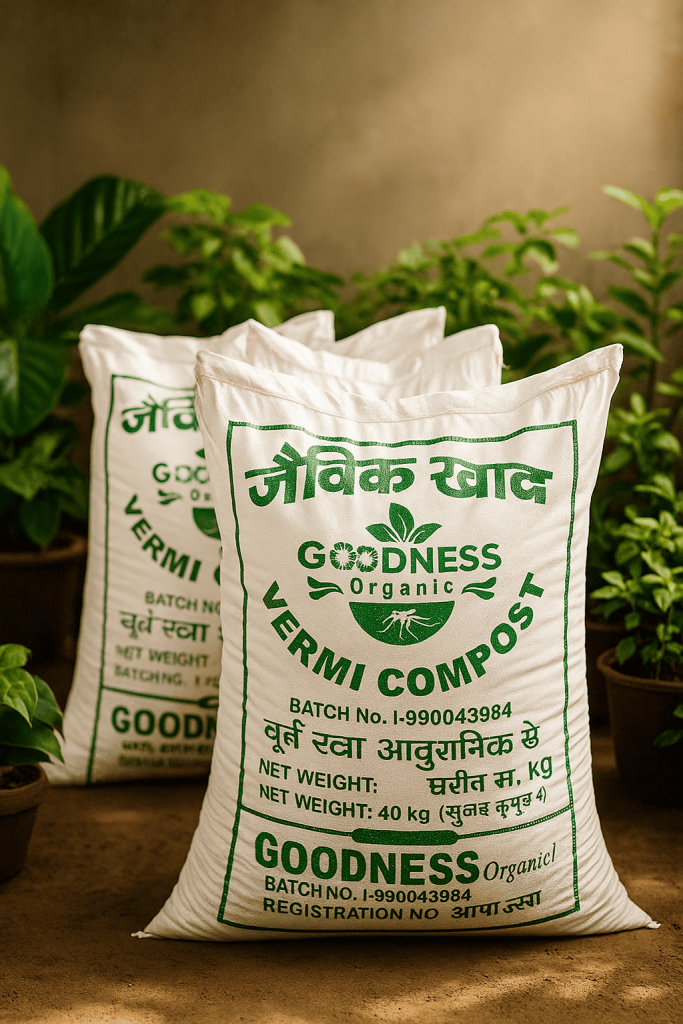
Indian households today grow more home gardens than ever—balcony gardens, terrace gardens, indoor plants, kitchen gardens, and mini vegetable patches. As gardening becomes more popular, the demand for organic manure has grown enormously. Chemical fertilizers may give quick results, but they degrade soil health and harm plant growth in the long run. Organic manure, however, improves soil fertility naturally, supports beneficial microbes, and enhances plant growth sustainably.
But with so many options—vermicompost fertilizers, cow dung compost, neem cake powder, seaweed extract, bone meal, compost blends—how do you choose the best organic manure for home gardening in India?
This comprehensive buyer’s guide explains the different types of organic manure, how they work, which plants they’re suited for, and how to select the right fertilizer for your specific gardening needs.
Why Organic Manure Is Essential for Indian Home Gardens
Home gardening in India comes with unique challenges: nutrient-poor soil, harsh summers, alkaline soil in many regions, overwatering, and heavy monsoon moisture. Chemical fertilizers worsen these issues by killing soil microbes and increasing salinity.
Organic manure helps in ways chemical fertilizers cannot:
- Restores soil fertility
- Improves water retention
- Provides slow-release nutrients
- Supports microbial life
- Enhances root development
- Balances soil pH
- Promotes healthy flowering and fruiting
For Indian climates and pot-based gardening, organic manure is the safest and most effective option.
Types of Organic Manure Available in India
Below are the most widely used organic fertilizers in Indian home gardening, along with their benefits and ideal usage.
1. Vermicompost Fertilizer — The Most Popular Home Gardening Fertilizer
What it is:
Nutrient-rich compost produced by earthworms from cow dung and organic waste.
Best for:
All plants — flowering, vegetables, indoor plants, herbs, fruiting plants.
Benefits:
- High NPK content
- Improves soil texture
- Enhances root and flower growth
- Increases microbial activity
- Safe and slow-releasing
Why Indian gardeners prefer it:
It works for almost all pot plants and provides consistent results.

2. Cow Dung Compost — Traditional & Effective
What it is:
Fully decomposed cow dung enriched with organic matter.
Best for:
Balcony gardens, terrace vegetables, flowering plants.
Benefits:
- Improves soil aeration
- Increases water retention
- Provides long-term fertility
- Gentle and safe for all plants
Cow dung compost is excellent for beginners and ideal for potting mixes.
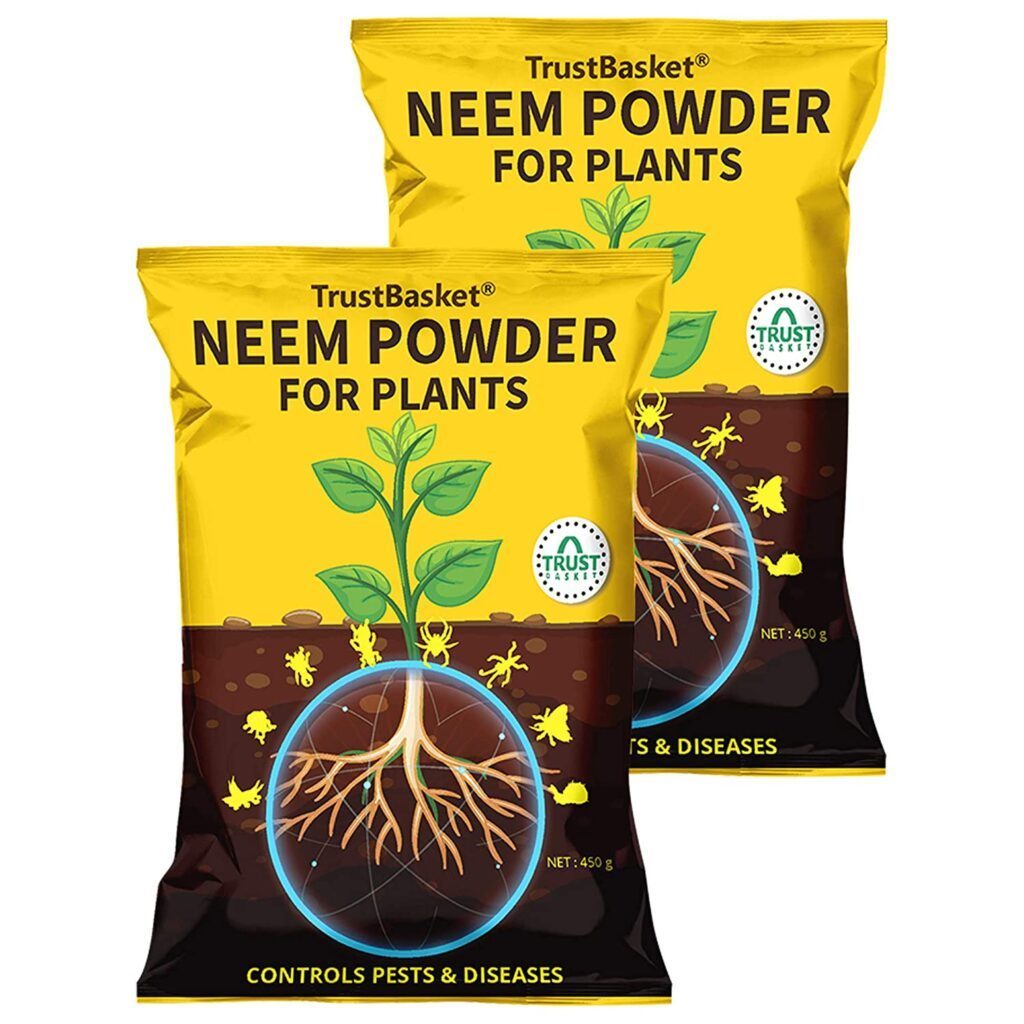
3. Neem Cake Powder — Natural Pest Control
What it is:
Cold-pressed neem seed residue after oil extraction.
Best for:
Vegetables, fruiting plants, flowering plants.
Benefits:
- Controls soil pests like fungus gnats, nematodes, and white grubs
- Improves root health
- Provides slow-release nitrogen
Many terrace gardeners use neem cake with vermicompost to prevent soil pests.
4. Bone Meal & Seaweed Extract — Growth Enhancers
Bone Meal:
Rich in phosphorus and calcium — helps flowering and root growth.
Seaweed Extract:
Contains natural growth hormones, micronutrients, and enzymes.
Best for:
Flowering plants like roses, hibiscus, and jasmine.
Benefits:
- Boosts blooms
- Strengthens root system
- Enhances stress resistance
These are used as supplements, not primary fertilizers.
5. Compost Blends & Plant-Specific Mixes
Many brands offer ready-made compost mixes for vegetables, flowers, or indoor plants.
Benefits:
- Tailored nutrition
- Convenient for beginners
- Balanced NPK with added micronutrients
But quality varies widely — choose well-known brands for consistency.
Vermicompost vs Cow Dung Compost vs Chemical Fertilizers — Comparison Table
| Feature | Vermicompost | Cow Dung Compost | Chemical Fertilizer |
|---|---|---|---|
| Nutrient Release | Moderate | Slow | Fast |
| Plant Safety | Very Safe | Very Safe | Risky |
| Soil Health | Excellent | Good | Poor |
| Microbial Support | High | Medium | Very Low |
| Long-term Impact | Builds soil | Improves soil | Damages soil |
| Best For | All plants | Pots & vegetables | Emergency boost |
This table clearly shows why organic manures are the best choice for Indian home gardeners.
Which Organic Manure Should You Choose for Your Garden?
Here’s a simple selection guide based on plant type:
Flowering Plants (Roses, Hibiscus, Mogra, Bougainvillea)
✔ Vermicompost
✔ Bone meal (monthly)
✔ Seaweed extract (fortnightly)
Vegetables (Tomato, Chilli, Spinach, Brinjal, Beans)
✔ Cow dung compost (base soil)
✔ Vermicompost (monthly top dressing)
✔ Neem cake (to prevent soil pests)
Indoor Plants (Money Plant, ZZ Plant, Snake Plant, Palms)
✔ Vermicompost (small quantity every 2 months)
✔ Cocopeat-based soil mix
✔ Minimal fertilizers
Herbs (Tulsi, Mint, Coriander, Basil)
✔ Vermicompost (light application)
✔ Cow dung compost for fast-growing herbs
Terrace Garden Beds
✔ Cow dung compost (bulk application)
✔ Vermicompost for vegetables
✔ Neem cake powder every 2 months
Factors to Consider Before Buying Organic Manure
Not all compost is equal — quality matters. Here’s what to check:
1. Purity
Ensure the manure is free from:
- Plastic
- Stones
- Raw dung
- Chemical residue
2. Odor
Good compost has a mild earthy smell.
Raw or poorly decomposed manure smells pungent.
3. Texture
Look for:
- Fine, crumbly texture (vermicompost)
- Well-decomposed granules (cow dung compost)
4. Nutritional Value
Check nitrogen (N), phosphorus (P), potassium (K), and micronutrient content.
5. Brand Reliability
Choose reputable manufacturers who follow proper composting techniques and quality control.
How Much Organic Manure Should You Use?
Small pots: 100–150 g
Medium pots: 200–300 g
Large pots: 300–500 g
Grow bags: 400–600 g
Terrace beds: 2–4 kg per sq. meter
Frequency:
Every 30–45 days for best results.
Which Is the Best Organic Manure in India?
For most Indian home gardeners, vermicompost and cow dung compost remain the top choices due to their affordability, safety, and effectiveness. They improve soil fertility, encourage healthy plant growth, and support sustainable gardening.
If you want consistent results, healthier plants, and long-term soil improvement, these two organic manures should be the core of your gardening routine.