
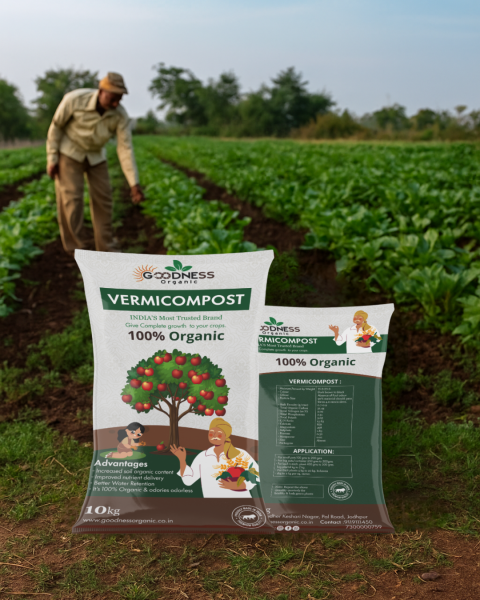
Vermicompost is one of the most valuable organic fertilizers for Indian home gardeners. It improves soil fertility, boosts flowering, strengthens roots, increases vegetable yield, and enhances overall plant health. But many gardeners do not store vermicompost correctly, causing it to:
- Lose nutrients
- Develop foul smell
- Attract insects
- Become too dry
- Become too wet
- Grow fungus
- Lose microbial activity
Proper storage ensures vermicompost remains effective for several months, even up to a year. This guide explains how to store vermicompost in Indian climate conditions, including summer, winter, monsoon, and indoor environments.
Why Proper Storage of Vermicompost Matters
Vermicompost contains living microbes, humus, organic carbon, worm cocoons, and beneficial bacteria. These are sensitive to heat, moisture, and sunlight. If stored poorly, vermicompost loses its natural fertility.
Proper storage helps:
- Maintain microbial activity
- Preserve organic nutrients
- Prevent foul odors
- Keep texture crumbly
- Avoid pest infestation
- Increase shelf life
- Prevent nutrient leaching
How Long Can Vermicompost Be Stored?
When stored correctly, vermicompost can last:
- Up to 12 months in sealed bags
- Up to 6 months in open containers
- Up to 4–6 months in humid or coastal areas
Shelf life depends on moisture control and protection from heat.
Ideal Conditions for Storing Vermicompost
Vermicompost must be stored under these ideal conditions:
1. Away from Direct Sunlight
- Keep in a shaded, cool place
- Avoid balconies with direct afternoon sun
- Sunlight kills microbes and dries compost
2. Store in a Cool, Ventilated Area
Suitable locations include:
- Storage rooms
- Warehouses
- Utility areas
- Under shelves
- Shaded garden corners
3. Protect from Rain & Excess Moisture
Moisture causes:
- Fungus
- Anaerobic smell
- Nutrient leaching
Keep bags elevated on a platform or wooden pallet.
4. Maintain Slight Moisture (25–40%)
Vermicompost should never be completely dry or soggy.
If too dry:
- Sprinkle water lightly and mix
If too wet:
- Keep bag open for 24–48 hours to air dry
How to Store Vermicompost at Home (Small Quantities)
Most home gardeners buy 1 kg Vermicompost, 5 kg Vermicompost or 10 kg Vermicompost bags. Here is the best method:
Step-by-Step Storage Method for Home Gardeners
- Transfer vermicompost from thin plastic bags to a breathable container
- Use containers such as
- Clay pots
- Buckets with loose lids
- Gunny bags
- Fabric grow bags
- Thick HDPE bags
- Keep the container in shade
- Maintain slight moisture
- Stir every 20–30 days to aerate
- Do not store near chemicals or pesticides
How to Store Vermicompost in Bulk (Nurseries, Landscapers, Farmers)
Bulk storage requires more care because large bags tend to heat up internally.
Best Bulk Storage Practices
- Store bags on raised pallets
- Maintain airflow between bags
- Keep bags under a shed or shade
- Ensure no bag touches the ground directly
- Protect from rats, insects, and rain
- Avoid stacking more than 8–10 bags in height
- Do not seal bags completely; microbes need air
Best Storage Containers for Vermicompost
Recommended Containers
- HDPE bags
- Gunny bags
- Canvas bags
- Plastic buckets with loose lids
- Clay pots with cloth covering
- Heavy-duty fertilizer sacks
Containers to Avoid
- Airtight plastic containers
- Metal containers
- Thin plastic bags
- Cardboard boxes
- Containers exposed to sunlight
Airtight containers cause anaerobic conditions and kill microbes.
How to Maintain Proper Moisture During Storage
Moisture decides compost shelf life more than anything else.
Signs vermicompost is too dry
- Light brown color
- Powdery texture
- Dust-like particles
Fix:
Sprinkle clean water lightly and mix with hands.
Signs vermicompost is too wet
- Muddy texture
- Bad smell
- Clumping together
Fix:
Spread compost thinly on newspaper for 24–48 hours.
Can Vermicompost Go Bad?
Vermicompost does not expire like chemicals, but it can degrade in quality.
Signs your compost has gone bad
- Strong foul smell
- Fungus growth
- Excessive clumps
- Slimy texture
- Presence of maggots
When to discard
- If smell persists after drying
- If compost is contaminated with pests
- If it has mixed with rainwater
How to Store Vermicompost During Indian Summer
Indian summers (March–June) are harsh. Compost dries quickly.
Summer Storage Tips
- Store in the coolest part of the house
- Add 1–2 handfuls of water every month
- Avoid placing bags on terraces or balconies
- Cover bags with cloth to prevent overheating
How to Store Vermicompost During Indian Winter
Winter slows microbial activity.
Winter Storage Tips
- Store indoors or in warmer areas
- Do not add unnecessary water
- Mix compost every 30–40 days
- Avoid leaving bags in open cold winds
How to Store Vermicompost During Monsoon Season
High humidity increases fungus risk.
Monsoon Storage Tips
- Keep vermicompost elevated
- Ensure 100% waterproof roofing
- Use moisture-absorbent gunny bags
- Avoid sealed plastic bags
- Mix with neem powder to prevent pests
Tips to Increase Vermicompost Shelf Life
- Keep moisture level moderate
- Prevent direct sunlight exposure
- Avoid airtight containers
- Stir compost regularly
- Store in breathable bags
- Keep away from chemicals, paints, or pesticides
- Maintain proper ventilation in storage area
Does Vermicompost Lose Nutrients Over Time?
Yes, but slowly.
Nutrient loss is caused by:
- Over-drying
- Excess moisture
- Overheating
- Lack of aeration
- Improper storage
When stored correctly, vermicompost maintains most of its nutrients for 6–12 months.
Conclusion
Vermicompost is a living, microbe-rich organic fertilizer, and its effectiveness depends heavily on proper storage. Whether you are a home gardener or a nursery operator, storing vermicompost the right way ensures long shelf life, maximum nutrient retention, and consistent plant growth.
Well-stored vermicompost guarantees:
- Better flowering
- Stronger vegetables
- Healthy indoor plants
- Improved soil structure
Proper storage = stronger plants + higher yield.