
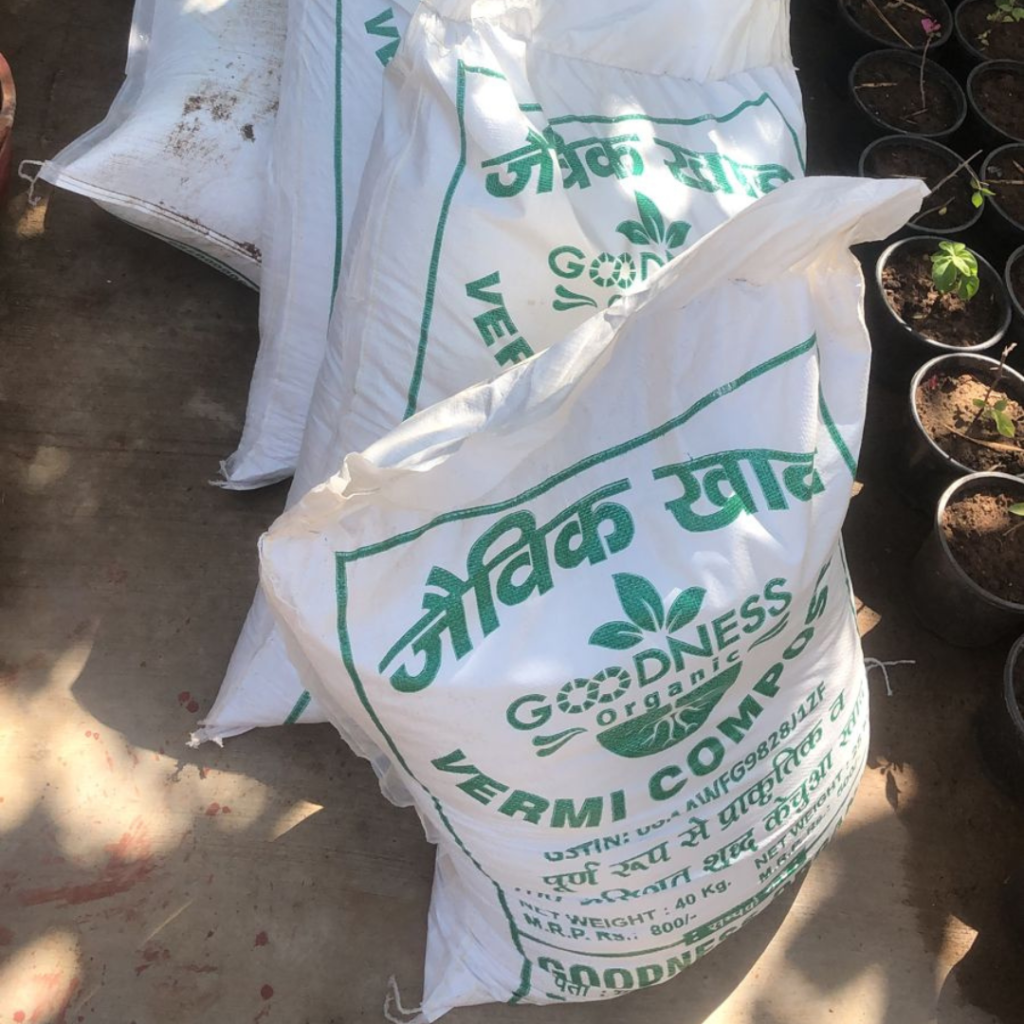
How Vermicompost Fertilizer Drives Sustainable Farming: Soil Health, Waste Recycling & Carbon Benefits
As the world moves toward sustainable agriculture, organic fertilizers like vermicompost fertilizer have emerged as powerful tools — not just for boosting plant growth, but for restoring soil health, recycling waste, and reducing environmental impact. In India, where large-scale agriculture and urban waste create a unique set of ecological challenges, vermicompost stands out as a solution aligned with ecological balance and future-ready farming.
Turning Waste into Wealth — How Vermicompost Fertilizer Recycles Organic Waste
Every year, tons of agricultural residue, vegetable peels, cow dung, crop stubble, leaves and kitchen waste go to landfills or are burned — contributing to pollution and soil degradation. Vermicomposting transforms this organic waste into nutrient-rich vermicast, harnessed for soil health. Earthworms digest the waste, reduce volume, and excrete castings rich in nitrogen, phosphorus, potassium, micronutrients, organic carbon and beneficial microbes.
This process:
- Prevents waste piling and stubble burning (common issue in Northern India)
- Converts biodegradable waste into a valuable resource for farmers and gardeners
- Reduces reliance on synthetic fertilizers derived from fossil fuels
In that sense, vermicompost represents a circular, low-carbon approach to agriculture.
Enhancing Soil Structure and Health — The Long-Term Benefits of Vermicompost
Unlike chemical fertilizers that supply nutrients but degrade soil over time, vermicompost improves soil’s physical, chemical, and biological properties. The humus-rich compost enhances soil porosity, aeration, moisture retention, and microbial activity — creating a living soil ecosystem favourable for plant roots.
Key benefits include:
- Better water retention — especially useful in water-scarce regions and during dry seasons
- Soil aggregation — improves root penetration and reduces compaction
- Balanced nutrient release — ensuring steady nourishment without nutrient spikes or root burn
For soils that suffer from nutrient depletion — whether due to over-farming, chemical overuse, or arid conditions — vermicompost becomes a soil rejuvenator, restoring fertility and ensuring long-term productivity.
Boosting Crop Yield and Reducing Chemical Dependency
Research and real-world experience show that vermicompost can enhance crop yield and quality while reducing the dependence on chemical fertilizers. Crops grown with vermicompost tend to have better root systems, stronger plants, and more resistance to pests and stress.
Moreover, by using natural manure, farmers and gardeners reduce chemical runoff, avoid soil salinization and protect groundwater from contamination — which is a growing concern in many parts of India.
Environmental and Climate Benefits — A Step Toward Carbon-Friendly Agriculture
Vermicompost supports sustainable farming by:
- Recycling organic waste instead of burning it
- Reducing greenhouse gas emissions associated with synthetic fertilizer production
- Enhancing soil carbon sequestration — humus-rich compost traps organic carbon in soil for long periods, improving soil carbon stocks and combating climate change.
In the long term, widespread adoption of vermicompost can help Indian agriculture shift toward regenerative practices — beneficial both for farmers and the planet.
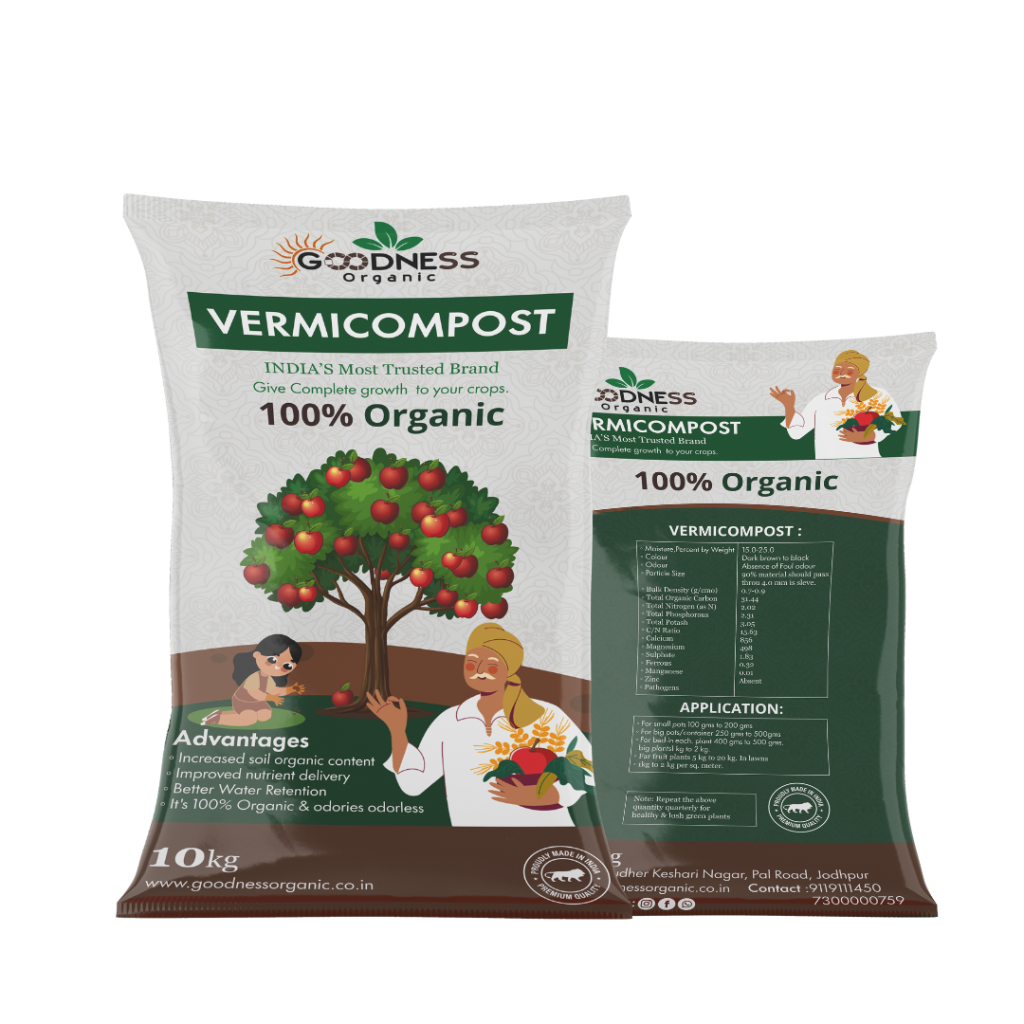
Why Brands and Farmers Should Prioritize Quality Vermicompost
All vermicompost is not equal. The quality depends on:
- Raw materials used (cow dung, farm waste, organic waste vs city waste)
- Composting process and duration
- Moisture content and humus stability
- Absence of contaminants such as sand, plastic, or heavy metals
How Home Gardeners & Small Farmers Can Use Vermicompost Effectively
For home gardens, balcony plants, vegetable beds, and small farms, use vermicompost:
- As a soil amendment — mix 20–40% compost into potting soil or garden beds
- As top-dressing every 30–45 days for flowering, vegetable or leafy plants
- To improve soil moisture retention, especially in dry/hot climates
For best results: use compost + good soil mix, avoid overwatering, and combine with natural pest-management (companion planting, neem-cake, etc.).
Final Thoughts — Vermicompost as the Future of Indian Farming
With increasing soil degradation, waste overload, and environmental pressures, vermicompost emerges as a sustainable, eco-friendly, and effective solution. It restores soil health, recycles waste, reduces chemical dependence, and promotes climate-resilient agriculture.
For individuals, home gardeners, farmers, and brands alike — investing in high-quality vermicompost means investing in future-ready, sustainable agriculture. With responsible manufacturing and transparent practices, vermicompost can lead India toward healthier soil, nutritious produce, and environmental harmony.