
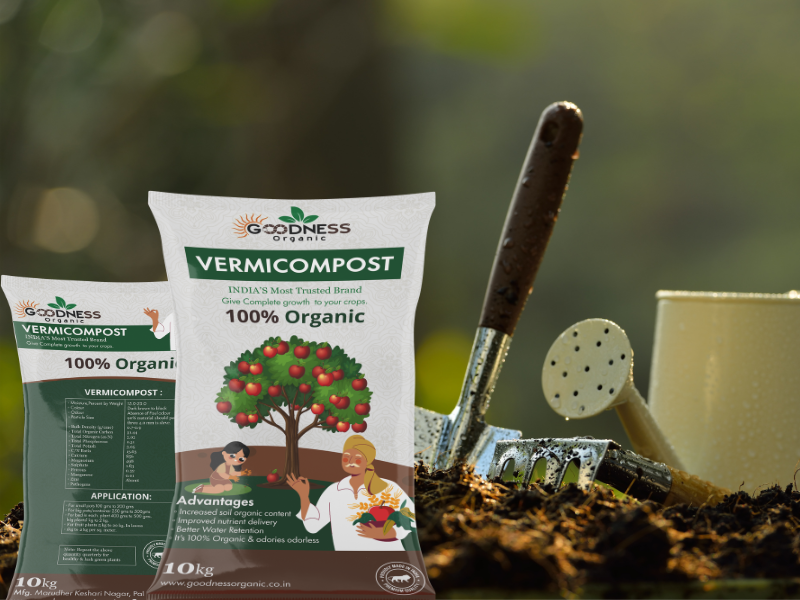
Flowering plants are at the heart of Indian home gardening. Whether it’s the fragrance of mogra on a summer evening, the vibrant colors of hibiscus and bougainvillea, or the timeless beauty of roses—Indian households cherish flowering plants more than any other plant category. However, flowering plants require consistent nutrition, balanced organic matter, proper root aeration, and the right soil composition.
This is where vermicompost organic fertilizer becomes one of the most effective, reliable, and natural fertilizers to enhance flowering, strengthen plant immunity, and improve overall plant performance. In this comprehensive guide, we explore why vermicompost organic fertilizer is ideal for Indian flowering plants, how it works, how to apply it correctly, and plant-by-plant dosage recommendations.
Why Flowering Plants Need Organic Fertilizers Like Vermicompost
Flowering plants require more phosphorus, potassium, micronutrients, and root-supporting organic carbon compared to leafy or indoor plants. Most chemical fertilizers offer only NPK, often in imbalanced proportions. Overuse leads to burnt roots, leaf drop, bud drop, and acidic soil.
Vermicompost, however, naturally contains:
- Well-balanced NPK
- Calcium, magnesium, sulphur
- Micronutrients like zinc, copper, boron
- Humic and fulvic acids
- Beneficial microbes
- Organic carbon
These nutrients support strong root formation, bud initiation, continuous blooming, and resistance to diseases—essential traits for Indian flowering plants.
Key Benefits of Vermicompost Organic Fertilizer for Flowering Plants
1. Increases the Number of Blooms
Vermicompost contains natural plant hormones like gibberellins and cytokinins that promote flower bud formation. This directly increases the number of blooms in roses, hibiscus, mogra, marigold, and other flowering plants.
2. Improves Flower Size & Color
Phosphorus in vermicompost supports bigger flowers, while potassium enhances petal color, shine, and flower longevity.
3. Prevents Bud Drop
Bud drop occurs due to nutrient deficiency, overwatering, or poor soil structure. The humus content in vermicompost improves drainage and aeration, reducing bud drop significantly.
4. Strengthens Root System
A strong root system is essential for nutrient absorption. Vermicompost enhances root growth, allowing plants to absorb nutrients efficiently.
5. Enhances Aroma in Fragrant Flowers
Plants like mogra, chameli, and raat ki rani produce better fragrance when soil contains sufficient organic carbon and micronutrients—both present in vermicompost.
6. Improves Soil Structure
Indian garden soil often becomes compact and clay-heavy. Vermicompost makes it softer, airier, and more fertile.
7. Reduces Need for Chemical Fertilizers
Regular vermicompost application decreases dependency on synthetic fertilizers, making gardening more sustainable.
How Vermicompost Works Inside Soil
Vermicompost works through a multi-level biological process:
- Nutrient release: Slow, steady release supports long-term plant health.
- Microbial activity: Millions of microbes break down nutrients into plant-available forms.
- Soil conditioning: Improves drainage while enhancing water retention.
- pH balancing: Neutralizes alkaline or acidic soil, creating a flower-friendly environment.
This combination is extremely beneficial for flowering species that are sensitive to soil quality.
How to Apply Vermicompost to Flowering Plants (Indian Conditions)
Step 1: Loosen Soil First
Use a gardening fork to lightly loosen the topsoil (2–3 cm). This helps vermicompost mix better.
Step 2: Apply Vermicompost Around the Plant
Spread vermicompost evenly around the pot, avoiding direct contact with the stem.
Step 3: Water Immediately
Water once after application so nutrients begin absorbing.
Step 4: Repeat Every 25–30 Days
Flowering plants need frequent feeding, especially in summer and monsoon seasons.
Dosage for Different Flowering Plants
Roses
- 300–400 grams per pot
- Twice monthly during peak flowering season (Oct–March)
- Helps increase bloom size, number, and fragrance
Hibiscus
- 250–350 grams monthly
- Hibiscus loves nutrient-rich, well-drained soil
Mogra / Jasmine (Chameli)
- 200–300 grams every 30 days
- Enhances fragrance and continuous bud formation
Bougainvillea
- 150–250 grams every 45 days
- Too much nitrogen reduces flowering, so use moderate quantity
Marigold (Genda)
- 200–250 grams monthly
- Improves vibrant orange/yellow color and increases branch formation
Periwinkle, Adenium & Petunia
- 150 grams monthly
- Use smaller doses for compact plants
For Terrace Garden Flower Beds
For terrace garden flower beds, use 2–3 kg of vermicompost per square meter every 45 days.
This supports seasonal flowering (winter flowers and summer flowers).
Vermicompost + Other Additives for Maximum Blooming
Many Indian gardeners combine vermicompost with other organic supplements to boost flowering.
1. Bone Meal
High in phosphorus; excellent for roses and hibiscus.
2. Seaweed Extract
Boosts flower size, improves plant immunity.
3. Neem Cake Powder
Prevents soil pests and improves root health.
4. Mustard Cake Fertilizer (Liquid Form)
Enhances blooming when used with vermicompost.
Common Mistakes Gardeners Should Avoid
Mistake 1: Using only vermicompost and no soil
Soil structure becomes too loose; always mix with potting soil.
Mistake 2: Overwatering after applying vermicompost
Leads to root rot and reduced flowering.
Mistake 3: Using very poor-quality vermicompost
Cheap vermicompost may contain sand, stones, or raw dung.
Mistake 4: Using chemical fertilizers along with vermicompost
Can imbalance nutrient levels and damage microbial activity.
Visible Improvements After Using Vermicompost
Within 15–30 days of applying good-quality vermicompost, flowering plants show:
- More buds
- Bigger flowers
- Richer colors
- Fewer yellow leaves
- Stronger stems
- Faster recovery from heat stress
Most gardeners notice substantial improvement after consistent use.
Final Thoughts
Vermicompost is one of the best organic fertilizers for flowering plants in India and Goodness Organic provides you with one of the best Vermicompost Fertilizer & best organic fertilizer in India. Whether you’re growing roses, hibiscus, mogra, bougainvillea, or seasonal flowers, adding vermicompost regularly ensures lush blooms, healthy roots, and long-lasting flowering cycles.
For Indian climates—hot summers, monsoons, alkaline soil—vermicompost is the safest and most effective solution. With proper usage and consistency, your flowering plants will bloom better than ever.