

Home gardening in India has rapidly grown over the last few years, especially in urban areas where balcony gardens, terrace gardens and indoor plants have become a major trend. With this growing interest, gardeners are becoming more aware of the need for sustainable, chemical-free fertilizers that support long-term soil health. One of the most effective and widely recommended solutions is vermicompost for home, a nutrient-rich compost produced by earthworms from cow dung and organic matter.
This comprehensive guide explains everything you need to know about using vermicompost for home plants in India—how it works, the benefits, correct application methods, dosage, and how it compares to chemical fertilizers. Whether you are a beginner gardener or an experienced plant enthusiast, this article will help you understand why vermicompost is considered one of the best organic fertilizers for Indian home gardens.
What Is Vermicompost and How Is It Made?
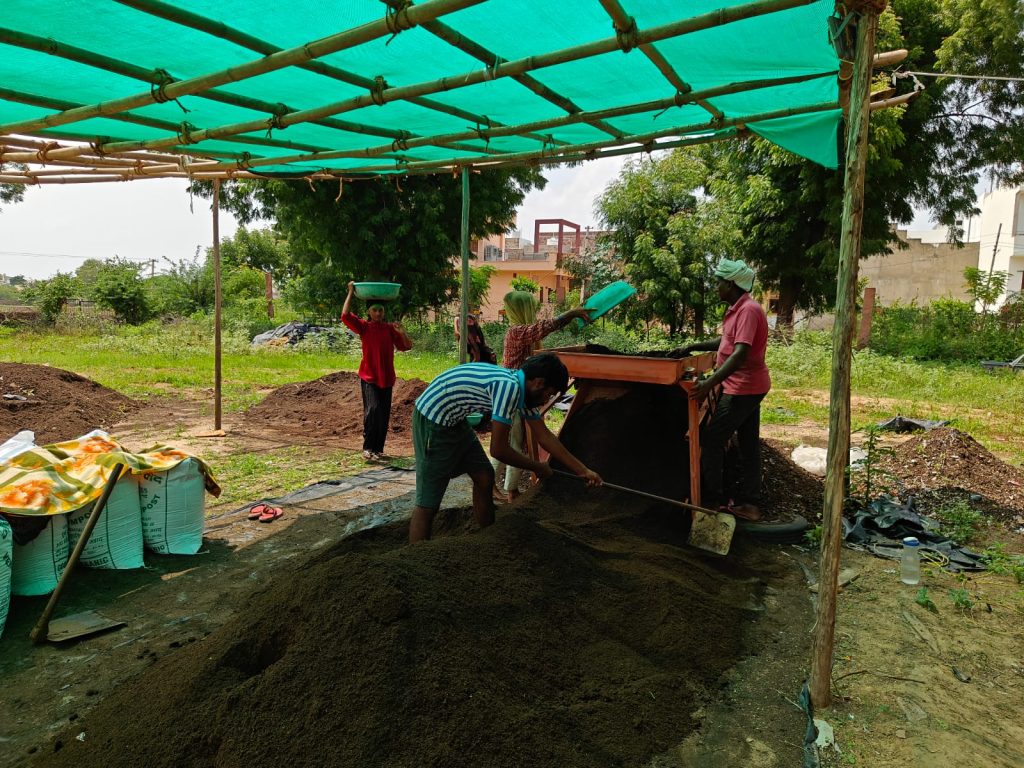
Vermicompost is a natural, organic fertilizer created through the breakdown of cow dung and organic waste by earthworms, commonly species such as Eisenia foetida and Eudrilus eugeniae. These earthworms consume organic material and excrete “worm castings,” which are extremely rich in nutrients, enzymes, beneficial microbes, and plant-friendly hormones.
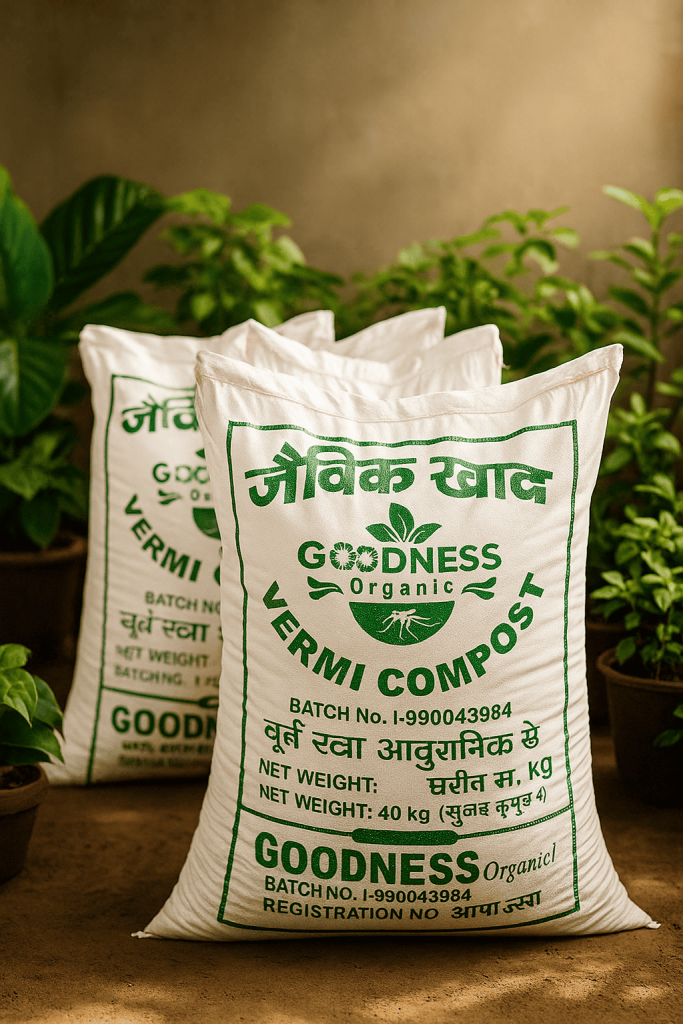
Key Components of Vermicompost and how to use Vermicompost for Home
- Humus-rich organic matter
- Nitrogen (N) — essential for foliage growth
- Phosphorus (P) — supports root development and flowering
- Potassium (K) — enhances overall plant strength
- Micronutrients: calcium, sulphur, magnesium, zinc, boron, copper, molybdenum
In India, where soil conditions vary drastically—from the sandy soils of Rajasthan to the clay-heavy soils of South India—vermicompost helps improve overall soil structure, pH balance, and water-holding capacity.
Why Vermicompost Is Perfect for Indian Home Gardeners
Indian home gardeners face a variety of challenges: nutrient-poor soil, chemical fertilizer dependency, extreme temperature variations, and limited space for gardening. Vermicompost addresses all these issues effectively.
1. Improves Soil Fertility Naturally
Unlike chemical fertilizers, which provide nutrients temporarily, vermicompost improves soil fertility long-term by enhancing microbial activity, humus content, and soil aeration.
2. Ideal for Balcony Gardens and Indoor Plants
Because it is gentle, odor-free, and slow-releasing, vermicompost is perfect for plants grown in pots — tulsi, money plant, rose, hibiscus, snake plant, jasmine, aloe vera, and vegetable pots.
3. Reduces Watering Frequency
The humus present in vermicompost increases water retention, which is beneficial for Indian summers where potted plants dry quickly.
4. Safe and Chemical-Free
Vermicompost contains no chemicals, making it ideal for vegetable gardens, herbs, and edible plants.
5. Boosts Flowering and Root Development
The natural hormones and enzymes present in worm castings promote strong root systems and increase bloom density in plants like roses, hibiscus, bougainvillea, and marigold.
How to Use Vermicompost for Home Plants – Complete Guide
Applying vermicompost correctly is essential for best results. Here’s how to use it for Indian home plants:
For Potting New Plants
Mix vermicompost with potting soil in a 1:2 ratio.
- 1 part vermicompost
- 2 parts garden soil/cocopeat mixture
This mix improves soil aeration and provides slow-release nutrients for 45–60 days.
For Existing Plants (Top Dressing)
Apply 150–300 grams of vermicompost per pot every 30 days.
Sprinkle it around the plant base and water immediately.
For Terrace Garden Beds
Use 2–3 kilograms per square meter for vegetable beds, flowering beds, and raised planters.
For Indoor Plants
Apply a thin layer (100–150 g) every 45–60 days.
Indoor plants require less fertilizer due to slow growth.
Which Plants Benefit the Most From Vermicompost?
Though vermicompost is beneficial for all plants, certain categories show exceptional results:
Flowering Plants
Roses, hibiscus, mogra, bougainvillea, marigold, and dahlia bloom more abundantly with regular vermicompost application.
Indoor Plants
Money plant, ZZ plant, snake plant, syngonium, pothos, rubber plant, ficus, and palms respond well to organic manure.
Vegetable Plants
Tomato, chilli, brinjal, spinach, coriander, beans, okra, bitter gourd — all show better yield with vermicompost.
Herbs
Tulsi, mint, ajwain, rosemary, basil, oregano thrive with organic compost.
Vermicompost vs Chemical Fertilizers – Which Is Better?
Chemical fertilizers provide high nutrients quickly but harm the soil long-term by killing microorganisms and increasing salt buildup. Vermicompost improves soil structure permanently.
| Metric | Vermicompost | Chemical Fertilizer |
|---|---|---|
| Soil health | Excellent | Poor |
| Safety | Safe, organic | Risk of burning plants |
| Flowering | Natural improvement | Temporary boost |
| Long-term impact | Builds soil | Damages soil |
| Water retention | High | Low |
Vermicompost is the clear winner for home gardening.
How Much Vermicompost Should You Use?
Small pots (6–8 inch): 100–150 g
Medium pots (10–12 inch): 200–300 g
Large pots (14–16 inch): 400–500 g
Flower beds: 2–3 kg per sq. meter
Vegetable beds: 3–4 kg per sq. meter
Final Thoughts
Vermicompost is one of the best natural fertilizers available for Indian home gardeners. It is affordable, sustainable, safe for children and pets, and suitable for all types of plants. With its nutrient-rich composition and long-lasting benefits, vermicompost is a must-have for anyone serious about home gardening in India.